Traditional vs. Modern Entry Doors: Why Solid Wood and Waterproof Finishes Matter for High-Traffic Homes and Commercial Spaces
Choosing the right front entry door isn‘t just about style—it’s about durability, weather resistance, and long-term performance. In this guide, we compare traditional and modern design philosophies and explain why Waydoor‘s solid wood waterproof entry doors with sidelights are ideal for both residential villas and high-traffic commercial projects like hotels, malls, and hospitals.
Introduction: The Door Sets the Tone
Whether it’s a private residence or a public building, the front entry door is more than an access point. It‘s a statement of quality, security, and aesthetic intent. But when you’re specifying doors for a mixed-use project—or simply choosing between traditional charm and modern minimalism for your own home—how do you decide? This article explores two critical dimensions often overlooked: design language and material performance. We‘ll show you why solid wood with waterproof finishing is a non-negotiable combination, and how Waydoor’s customizable solid wood entry doors with sidelights bridge both worlds.
Chapter 1: Understanding Traditional Design — Why It Endures
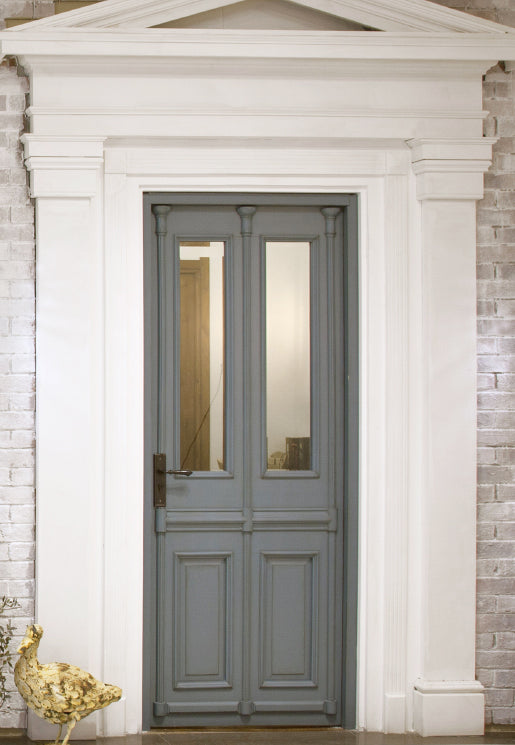
Traditional entry doors are characterized by symmetry, panel detailing, and an emphasis on craftsmanship. Think raised panels, sidelight windows, and warm wood tones. This timeless appeal never goes out of style, and sidelights invite natural light into otherwise narrow entryways. However, traditional doors are often perceived as high-maintenance—especially in exterior applications. While most manufacturers stop there, Waydoor does not.
Chapter 2: Modern Design — Clean, But Not Always Durable
Modern entry doors favor minimalism: flat surfaces, flush panels, and concealed hardware. Materials like aluminum and glass are common, and when engineered properly, they offer excellent weather resistance. But modern designs often compromise on warmth, acoustic comfort, and the perceived value that luxury residential clients expect. Modern is efficient. Traditional is expressive. But neither matters if the door fails in its primary job: protection.
Chapter 3: The Non-Negotiable — Waterproof Solid Wood
Here is what separates a disposable door from a lifetime investment. Most wood doors today are not solid wood at all—they are engineered cores with thin wood veneers that warp, peel, and absorb moisture over time. Waydoor solid wood doors are different. They are constructed entirely from your choice of red oak, African mahogany, pine, alder, or hemlock, with no particleboard and no hollow sections. Every door receives a waterproof surface finishing that is fully sealed for exterior exposure, making it suitable for rain-prone climates, high-humidity environments like coastal villas and hospitals, and easy to clean and maintain year after year.
Chapter 4: Sidelights — Bringing Light Into Traditional Forms
One of the most requested features in both residential and commercial entry doors is natural light. Waydoor‘s traditional solid wood entry doors can be customized with single sidelight configurations that visually widen narrow entryways and bring daylight into foyers and corridors while maintaining perfect traditional symmetry. Glass options are fully customizable, including clear, frosted, or patterned finishes.
Chapter 5: Not Just Homes — Commercial Applications Matter
This door isn’t limited to private villas. In hotels, it creates a warm first impression with durable finishes that withstand constant use. In malls and retail environments, it delivers high-traffic performance with a consistent, brand-aligned appearance. Office buildings benefit from its professional aesthetic and quick lead times, while hospitals value the solid core for sound insulation and the sealed surface for hygiene. Apartments and condominiums consistently specify Waydoor for custom sizing and matching sidelight options across multiple units.
Chapter 6: Customization — The Waydoor Difference
No two projects are the same, which is why every Waydoor door is made to order. You control the wood species, size, color and stain, sidelight design, and even hardware preparation. Waydoor provides graphic design support, total project solutions for bulk orders, online after-sales technical support, and full CE certification. Whether you need one door or two hundred, the process is the same: you tell us what you need, and we build it.
Conclusion: Tradition, Perfected
You do not have to choose between beauty and performance. With Waydoor‘s traditional solid wood entry doors, you get the warmth and presence of real wood, the durability of a waterproof exterior finish, the flexibility of full customization, and the reliability of a certified manufacturer. Whether you’re designing a single-family entrance or specifying doors for a two-hundred-room hotel, this is solid wood—built for today.